Careers and Outcomes

Engineer new materials for the world
How can metal be stronger?
What's the best way to make plastic more flexible?
Can batteries last longer?
Materials scientists strive to answer questions like these.
What is materials science?
It's the field that looks at materials and how to make them better.
By studying plastics, metals and ceramics up close, materials scientists can make products more useful and last longer.
Materials science turns raw into real.
Whether it's metals used in life-saving medical devices, or plastics for a more durable smartphone, materials science unlocks the world's innovations.
What's it like to work in materials science?
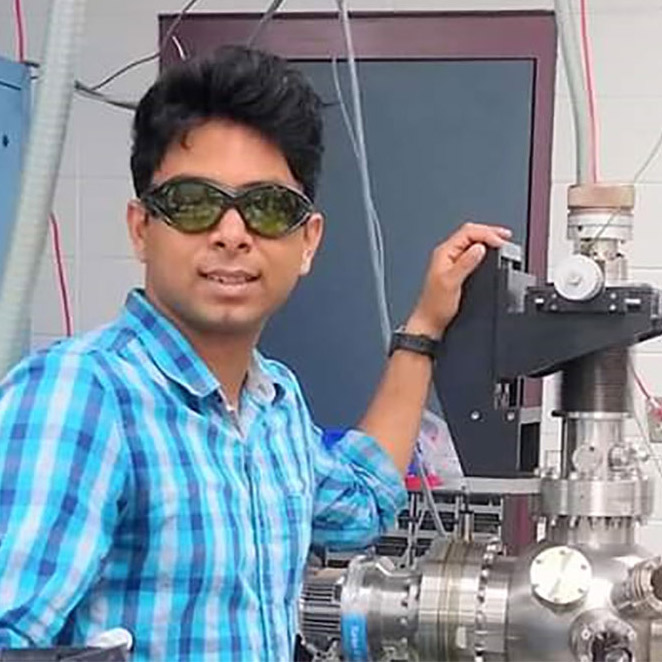
Most materials scientists work in research labs, manufacturing facilities or similar places. They often work on a team with other scientists like engineers and chemists.
Materials science is a big process with a lot of key steps:
- Identify a problem or need
- Research and design possible solutions
- Experiment and test
- Analyze, modify and improve
- Prepare for production on a large scale
- Document results for future use
Careers in materials science
With a master's degree in materials science, you can pursue jobs in tech- and science-related sectors.
- Aerospace and defense
- Automotive
- Biomedical
- Construction/Infrastructure
- Electronics and semiconductors
- Energy and renewable resources
- Nanotechnology
- Research and development
Looking to pursue a PhD?
This program can also be your springboard toward a doctorate degree (PhD).
Materials science graduates have gone on to pursue PhDs at schools like Mizzou, Missouri S&T, Oklahoma and more.
Materials science job outlook
As a materials scientist, you will be well compensated for your work in a growing job market.
$106,160
8%
Grow your own